
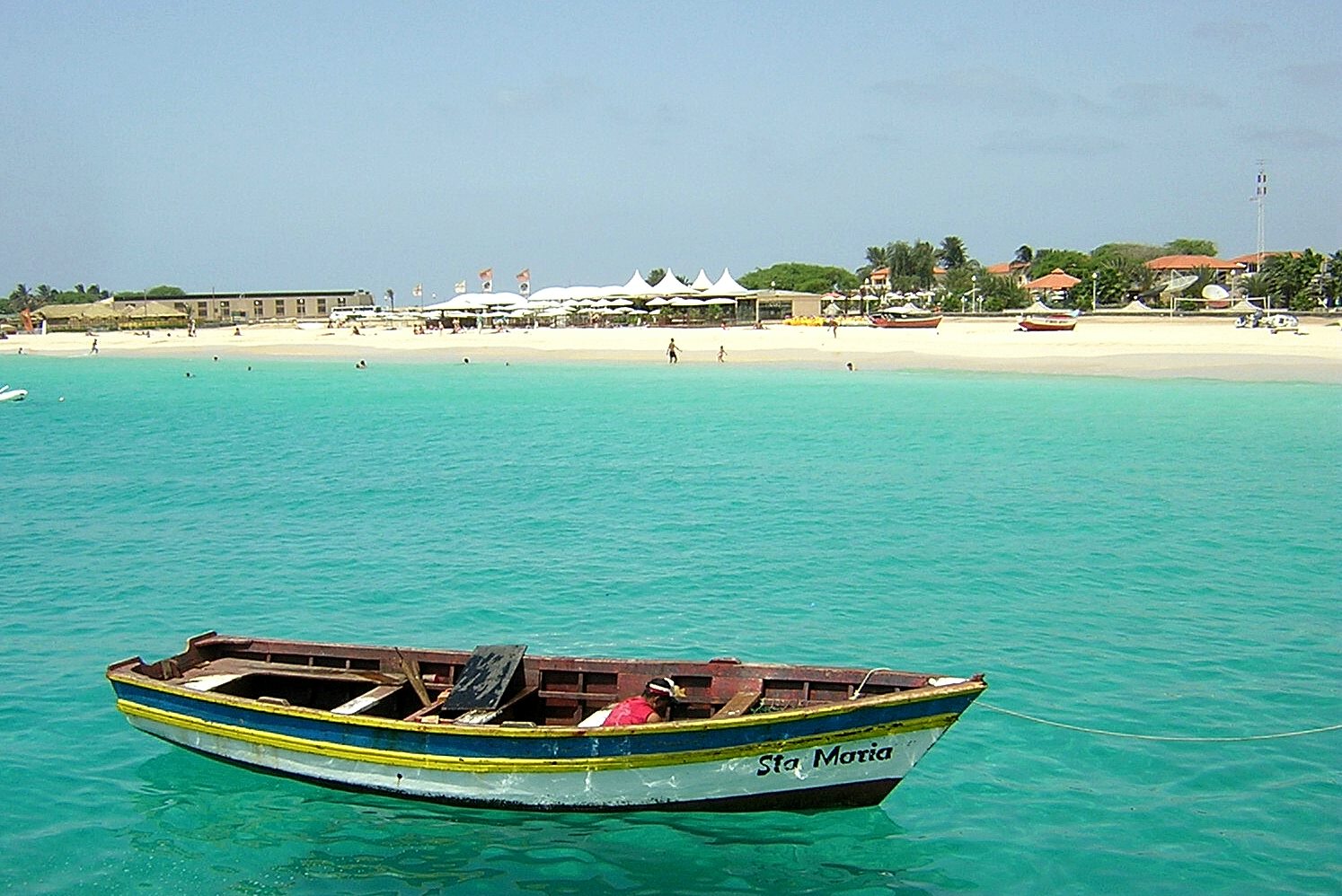
Tourism now represents nearly 25% of Cape Verde's GDP and continues to grow. In 2024, the country welcomed more than a million visitors, according to the Travel and Tourism Statistical Report. This constant flow energizes the economy, creates jobs and directly stimulates the real estate market: tourist residences, hotels, vacation rentals, businesses...
The rise of mixed residences
More and more developers are betting on hybrid projects combining tourist accommodation and long-stay residences. This approach responds to a double demand: that of passing tourists looking for European comfort, and that of local or expatriate tenants wishing to reside there for several months a year.
Seasonal rental yields oscillate between 7 and 10%, particularly on the islands of Sal and Boa Vista. Prices, still lower than those in Portugal or the Canaries, favor a quick return on investment for well-positioned buyers.
Favorable public policies
The Cape Verdean government supports this synergy between tourism and real estate. Projects integrating environmental value or local social impact often benefit from tax incentives. In addition, recent reforms aim to facilitate procedures for foreign investors (reduction of registration deadlines, simplification of authorizations).
Tourism and real estate are now one in Cape Verde: one feeds demand, the other structures growth. For investors, it's the ideal time to position themselves on this dynamic market, with the support of a reliable player.